Choosing wholesale tile for a commercial project requires more than selecting an attractive surface. Hospitality, retail, multifamily, workplace and public-space installations must balance design intent with traffic, maintenance, availability, installation requirements and long-term replacement needs. This guide explains how architects, designers, contractors, developers and purchasing teams can evaluate wholesale tile for commercial projects with fewer surprises.
Start With the Commercial Application
Define where the tile will be installed before comparing colors or patterns. A hotel lobby, restaurant wall, apartment bathroom, exterior terrace and retail floor place different demands on a material. Document whether the surface is interior or exterior, horizontal or vertical, wet or dry, exposed to freeze-thaw conditions, and subject to foot traffic, rolling loads or frequent cleaning.
The selected product should be rated for its intended use. Slip resistance, water exposure, abrasion, chemical exposure and substrate conditions all deserve review with the project’s design professional and installer. The Tile Council of North America publishes industry standards and installation resources that can support specification decisions.
Compare Porcelain and Natural Stone
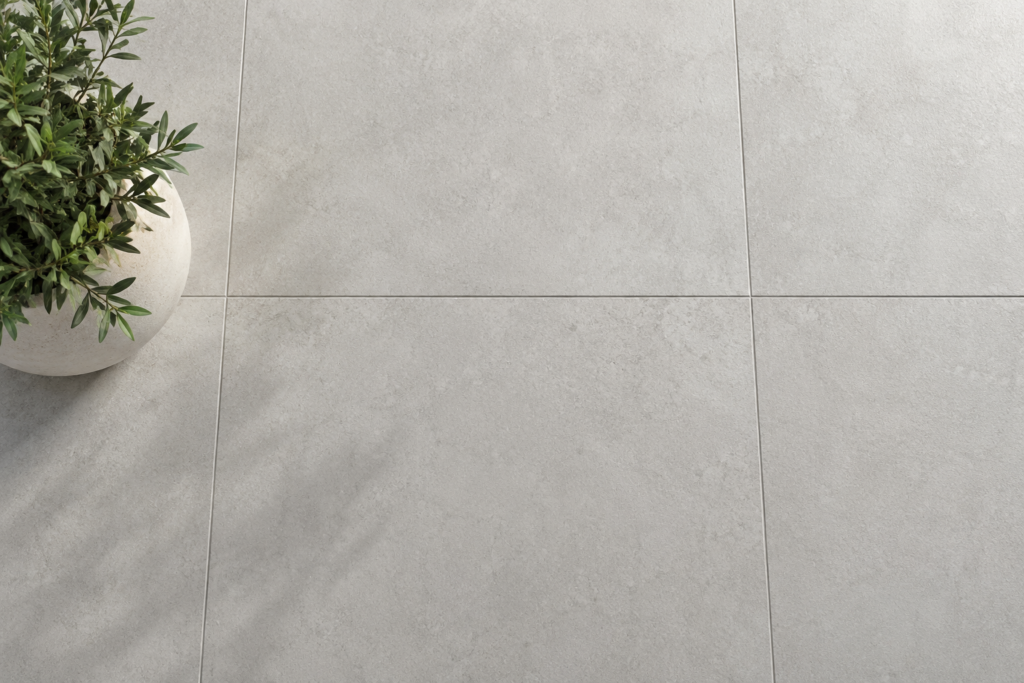
Porcelain tile is often considered for demanding commercial interiors because it can provide consistent sizing, repeatable color and relatively straightforward maintenance. Available looks can range from stone-inspired surfaces to contemporary concrete and other visual effects.
Natural stone offers authentic variation, mineral movement and a distinctive material character. Marble collections such as Calacatta Gold, Carrara, Bianco Dolomite and Thassos can support refined hospitality, residential and retail concepts. Natural stone may require additional sample review, sorting, sealing and maintenance planning. The Natural Stone Institute provides technical resources on stone selection, installation and care.
Evaluate Format, Finish and Performance
- Format: Large-format tile can create a clean, continuous look but requires careful substrate preparation and experienced installation. Smaller formats and mosaics can adapt to curves, slopes and detailed areas.
- Finish: Polished, honed, matte and textured finishes change the appearance, reflectivity, cleaning behavior and underfoot feel of a surface.
- Variation: Review shade and pattern variation across multiple samples, especially for natural stone and highly varied porcelain designs.
- Wet-area suitability: Confirm that the complete assembly—including tile, grout, setting materials, waterproofing and drainage—is appropriate for the location.
- Exterior suitability: For terraces and walkways, verify climate, freeze-thaw exposure, drainage, movement accommodation and the manufacturer’s intended-use guidance. Explore Mosaicive’s paver collection as a starting point.
Request Samples and Build a Mockup
Digital images are useful for early selection, but physical samples reveal scale, texture, sheen, edge detail and color under the project’s actual lighting. For larger installations, review several pieces rather than relying on a single sample. A project mockup can help the team confirm tile layout, grout color, joint width, transitions, trims and workmanship before full installation begins. For a step-by-step review process, see our guide to evaluating tile samples before ordering.
Natural materials should be approved with their expected range in mind. Manufactured materials should also be checked for production-lot consistency. Record the approved product name, finish, size and lot information so purchasing and installation teams work from the same specification.
Plan Quantities, Lead Times and Attic Stock
Commercial schedules can be affected by production timing, freight, phased construction and field conditions. Confirm current stock, expected lead time and packaging before finalizing the installation schedule. Order quantities should account for cuts, breakage, layout, pattern matching and future repairs. The appropriate overage depends on the material, format and design, so the project team should calculate it with the installer rather than applying one percentage to every project.
Retaining labeled attic stock from the same lot can make future repairs easier, especially in high-traffic facilities where matching a discontinued or changed production run may be difficult. Store spare material in a dry, protected location and document where it belongs.
Coordinate the Complete Tile System
Tile performance depends on the full assembly, not the surface material alone. Substrate flatness, movement joints, waterproofing, membranes, mortar, grout, sealant and cure time must be coordinated with the chosen tile and site conditions. TCNA guidance notes that movement accommodation is necessary because tile and the supporting structure can expand and contract differently.
Coordinate field tile with mosaics, trims, base details, stair components, transitions and accessibility requirements early. This prevents attractive material selections from creating unresolved edges or last-minute substitutions in the field.
How to Source Wholesale Tile for Commercial Projects
A commercial supplier should help the team compare collections, obtain samples, confirm product information and coordinate material decisions across the project. Clear communication is especially important when a specification includes several sizes, finishes or coordinating pieces.
Mosaicive supports design and construction professionals with marble, porcelain, mosaics, trims and pavers, along with product selection and sample coordination. Browse the project gallery for inspiration, compare our collections, or contact Mosaicive to request samples and discuss project requirements.