The finish of a tile changes more than its appearance. Polished, honed and matte surfaces can differ in reflectivity, feel, maintenance expectations and how they perform in a particular setting. For designers, contractors, dealers and homeowners, choosing the right finish should be part of the material-selection process from the beginning.
This guide explains the practical differences between polished, honed and matte tile so you can compare samples more confidently before placing an order.
What Is Polished Tile?
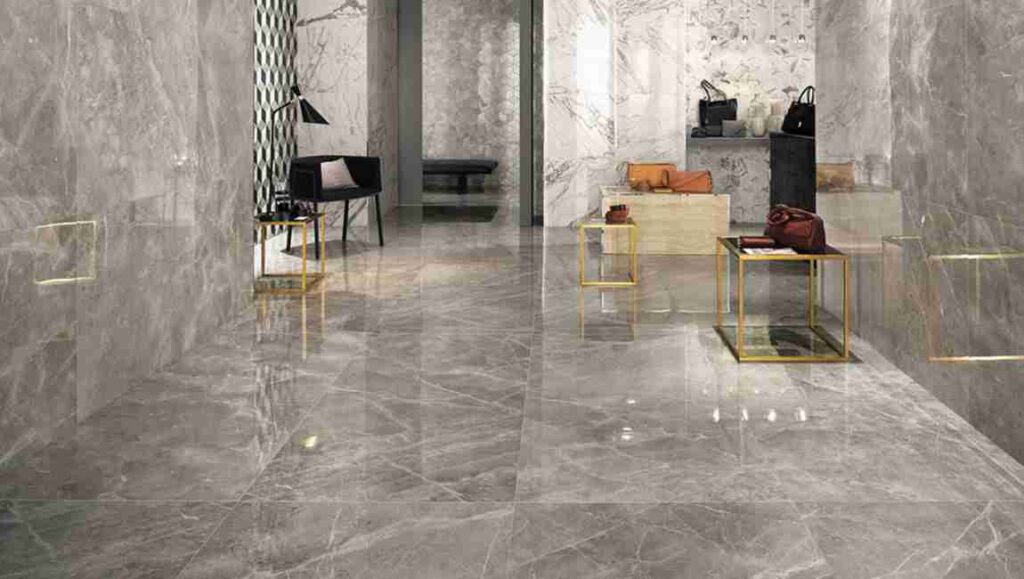
A polished finish has a smooth, reflective surface that emphasizes color, pattern and veining. On natural stone such as marble, polishing can make the mineral movement and contrast appear more pronounced. On porcelain, a polished finish can create a sleek, high-reflectivity look.
Polished surfaces are often considered when the design calls for a refined, light-reflective appearance. They can work especially well on walls, feature areas and interior floors where the finish is appropriate for the application.
Because polished surfaces reflect more light, they can also make smudges, water spots and surface marks more noticeable. Natural marble may require additional care because acidic materials can etch the stone and alter the finish.
What Is Honed Tile?
A honed finish is smooth but has less sheen than a polished surface. On marble, honing creates a softer, more muted appearance while still showing the stone’s natural color and veining. Many buyers prefer honed stone when they want a quieter surface with less reflection.
Honed marble is commonly considered for floors, walls, bathrooms and other interior applications, but the correct finish still depends on the specific location, traffic and maintenance expectations. Mosaicive’s Calacatta Gold, Carrara, Dolomite and Thassos collection pages show the polished and honed options currently listed for their field tile, mosaics and trims.
What Is Matte Tile?
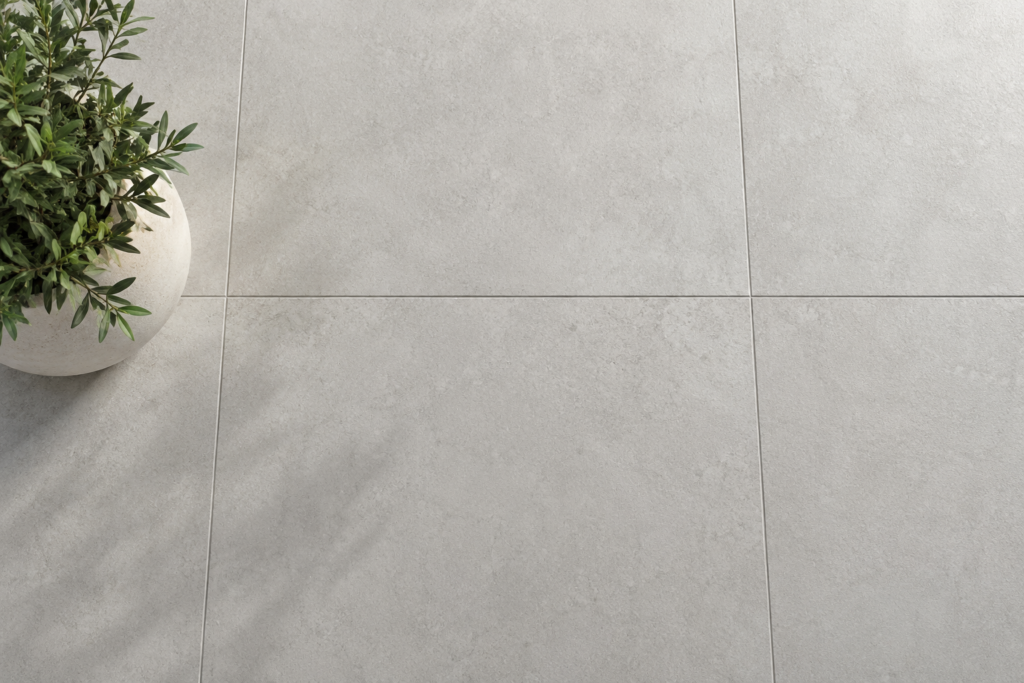
Matte is a low-sheen finish commonly associated with porcelain and other manufactured tile. Rather than reflecting light strongly, a matte surface produces a softer visual effect. Depending on the product, matte porcelain can range from very smooth to more textured.
Matte porcelain is often considered for contemporary interiors and spaces where a lower-reflectivity surface is preferred. For any floor, wet area or exterior application, however, do not assume that “matte” automatically means slip-resistant. Confirm the manufacturer’s intended use and technical information for the exact product.
Polished vs. Honed vs. Matte: Key Differences
- Reflectivity: polished surfaces reflect the most light; honed and matte finishes create a softer appearance.
- Visual character: polishing can intensify color and veining, while honed and matte finishes can make the surface appear quieter.
- Maintenance: highly reflective surfaces may show spots and marks more readily. Natural stone also has different care requirements than porcelain.
- Material type: polished and honed terminology is common with natural stone, while matte is especially common with porcelain.
- Application: the right finish depends on the exact product, location, traffic, water exposure and installation requirements.
How Lighting Changes the Finish
Tile should be evaluated under lighting similar to the finished project whenever possible. A polished marble that looks bright under showroom lighting may appear very different in a softly lit bathroom. Matte porcelain can also shift in appearance depending on daylight, artificial lighting and surrounding colors.
This is one reason physical sample review matters. Our tile sample evaluation guide explains how to compare color, finish, variation and scale before approving a material.
Choosing a Finish for Natural Stone
With marble, finish selection should be considered together with natural variation. Review several pieces when possible, not just one sample. A polished finish may emphasize veining and depth, while a honed finish may create a softer overall field.
If you are still comparing marble options, read our natural stone tile supplier guide and our marble vs. porcelain tile guide.
Choosing a Finish for Porcelain
Porcelain is available in many visual styles and finishes. The best choice depends on the look you want and the performance requirements of the project. Browse the Mosaicive porcelain collection to compare current options, and confirm the exact product specifications before selecting a finish for a demanding installation.
What to Review Before Ordering
Before approving a tile finish, compare the material in person and document the exact collection, size and finish. Consider how the surface looks from different angles, how it responds to the project lighting and how it coordinates with grout, cabinetry, paint and nearby materials.
For natural stone, expect variation and review multiple samples. For porcelain, confirm the exact finish and intended use. If the project includes several areas, do not assume that one finish is automatically appropriate everywhere.
Final Thoughts
There is no single best tile finish. Polished, honed and matte surfaces each create a different visual and practical result. The right choice is the one that fits the material, application, design intent and maintenance expectations of the project.
Explore the Mosaicive gallery for project inspiration, or contact Mosaicive to discuss samples, finishes and project requirements.