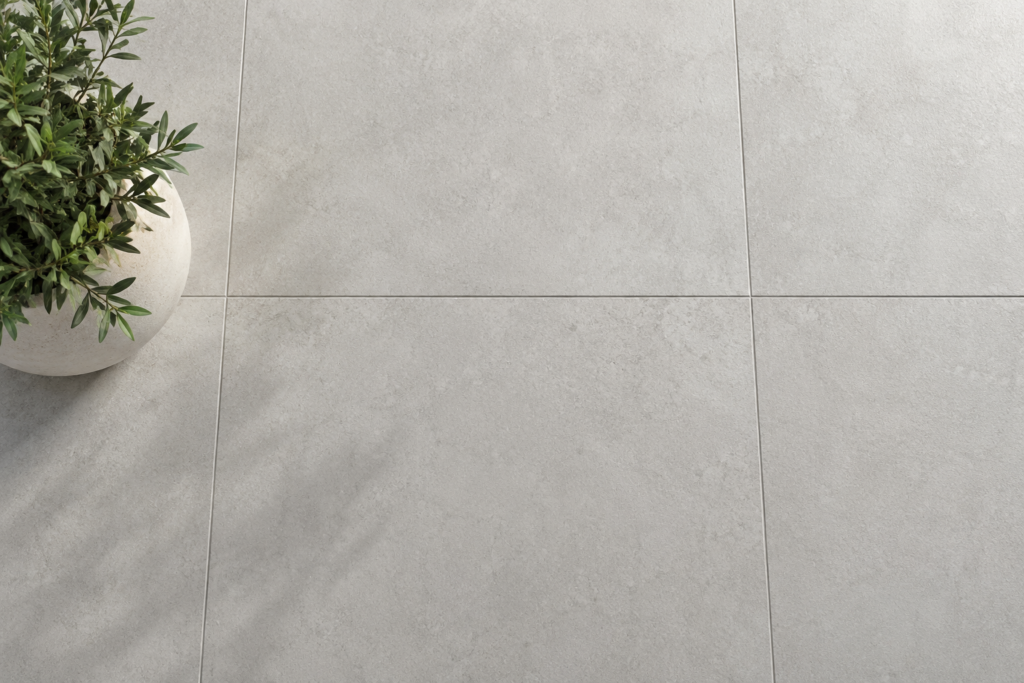
Choosing between marble and porcelain tile affects the appearance, maintenance and planning of a space. Both materials can work well in residential and commercial projects, but they have different characteristics. This marble vs porcelain tile guide explains the practical distinctions so designers, contractors, dealers and project owners can compare the options more clearly.
What Is Natural Marble Tile?
Marble is a natural stone formed over time through heat and pressure. Each piece can show individual veining, shading and mineral movement, so variation is part of the material. Mosaicive offers coordinated marble collections including Calacatta Gold, Carrara, Bianco Dolomite and Thassos. For sourcing considerations, see our natural stone tile supplier guide.
Marble may be considered for bathroom walls and floors, backsplashes, entryways, fireplace surrounds, feature walls and other interior applications when the selected product and installation system are appropriate for the location. Coordinating field tile, mosaics and trims can also help carry the same stone through a design.
What Is Porcelain Tile?
Porcelain is a manufactured ceramic material fired at high temperatures. Modern production can create stone, concrete, wood and other visual effects while offering controlled sizing and patterning. Browse Mosaicive’s porcelain tile collection to compare current looks and formats.
Porcelain is used across many residential and commercial applications. For wet areas, floors or exterior locations, confirm the specific product’s intended use, performance information and installation requirements rather than assuming every porcelain tile is suitable for every setting.
Marble vs Porcelain Tile: Key Differences
- Appearance: Marble offers natural variation and veining. Porcelain can provide a more controlled or repeatable visual.
- Maintenance: Natural marble may require more careful cleaning and, depending on the material and application, sealing. Porcelain maintenance requirements vary by product and finish.
- Variation: Marble naturally varies from piece to piece. Porcelain collections may offer a more consistent appearance or intentionally designed variation.
- Installation: Both materials benefit from experienced installation. Natural stone may require additional sorting or preparation depending on the project.
- Design direction: Marble provides authentic natural material character, while porcelain offers a wide range of manufactured colors, patterns and visual effects.
When Marble May Be the Better Choice
Marble can be a strong choice when the project calls for genuine natural variation and distinctive stone character. Because the appearance can vary from piece to piece, reviewing physical samples and the expected material range is an important part of approval.
When Porcelain May Be the Better Choice
Porcelain can be considered when the project benefits from a manufactured surface, controlled patterning or a particular visual direction. For outdoor spaces, review our paver collection and confirm the intended use of each product before specifying it.
Polished, Honed and Matte Finishes
Finish affects appearance, reflectivity and how a surface is experienced in the space. Polished marble has more sheen, while honed marble has a softer, lower-sheen appearance. Porcelain may be produced in polished, matte, textured or other finishes. For floor, wet-area and exterior applications, review the manufacturer’s intended-use and performance information for the specific product.
How to Make the Final Selection
Start with the location and project requirements, then compare physical samples in the actual lighting of the space. Review color variation, finish, size, grout choice and any coordinating mosaics or trims. Our tile sample evaluation guide provides a practical checklist for this step.
There is no universal winner in the marble vs porcelain tile decision. The better material is the one that matches the design direction, intended application and project requirements. Explore our project gallery for inspiration, or contact Mosaicive to request samples and current product information.