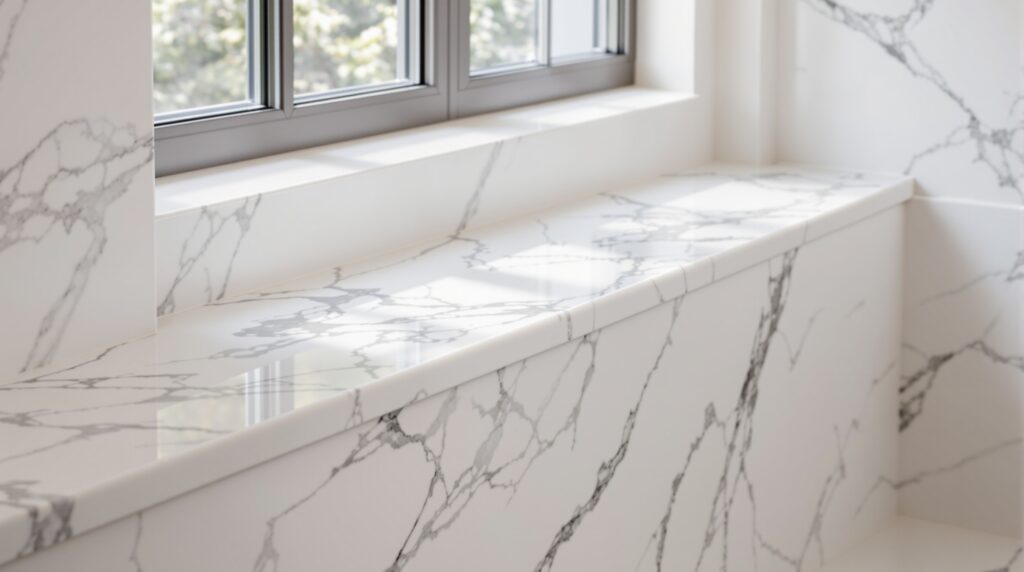
When shopping for tiles, you’ll often encounter two popular options: porcelain and ceramic. While they may look similar, they have important differences that affect performance, durability, and cost.
What Are Porcelain Tiles?
Porcelain tiles are manufactured using refined clay and fired at extremely high temperatures. This process makes them denser, stronger, and less porous than ceramic tiles.
Advantages
- Highly durable
- Water resistant
- Suitable for indoor and outdoor use
- Excellent for high-traffic areas
- Low maintenance
What Are Ceramic Tiles?
Ceramic tiles are made from natural clay and fired at lower temperatures than porcelain. They are lighter, easier to cut, and often more affordable.
Advantages
- Budget-friendly
- Wide variety of colors and patterns
- Easier to install
- Great for walls and light-traffic floors
Quick Comparison
| Feature | Porcelain | Ceramic |
|---|---|---|
| Durability | Excellent | Good |
| Water Resistance | Excellent | Good |
| Price | Higher | More Affordable |
| Maintenance | Easy | Easy |
| Outdoor Use | Yes | Limited |
Which Is Best?
Choose porcelain if you need maximum durability for kitchens, hallways, bathrooms, or commercial spaces.
Choose ceramic if you’re decorating walls or renovating on a tighter budget.
Conclusion
Both porcelain and ceramic tiles offer excellent value. Your final choice depends on your budget, installation location, and long-term expectations.